What Is Erosion and How Do Retaining Walls Help?
A lot of homeowners don’t realize they have an erosion problem until they start noticing the damage.
Maybe the soil keeps washing away after watering. Maybe mulch ends up in places it shouldn’t. Maybe parts of the yard are starting to slope more than they used to, or water keeps pooling near the house after rain.
At first, it seems minor.
But over time, erosion can seriously affect your landscaping, hardscape, drainage, and even the stability of your property.
That’s where retaining walls come in.
When designed and installed correctly, retaining walls do a lot more than improve curb appeal. They help stabilize soil, redirect water, and protect your yard from long-term damage.
And in places like Stockton, where heat, irrigation, and seasonal rain all affect the ground differently throughout the year, that protection matters more than most people think.
What Is Erosion?
Erosion happens when soil slowly starts moving from one area to another.
Usually, water is the main cause.
Rain, irrigation runoff, poor drainage, or sloped yards can gradually wash soil away over time. Wind and dry conditions can also contribute, especially during Stockton summers when the ground becomes loose and compacted.
The problem is that erosion often happens slowly enough that homeowners don’t notice it right away.
Until suddenly:
- plant roots become exposed
- parts of the yard start sinking
- patios shift
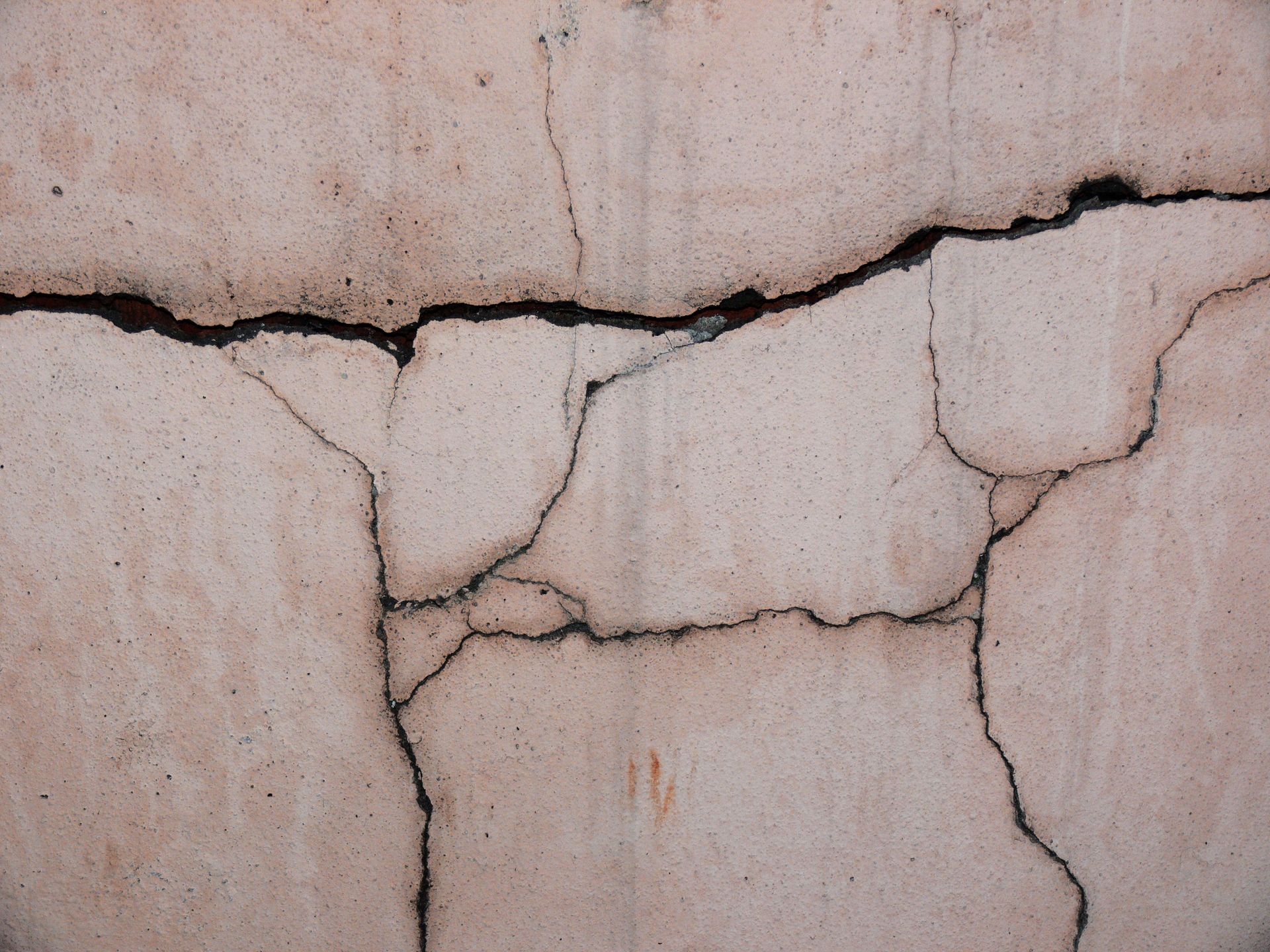
- cracks appear in concrete
- water starts collecting where it shouldn’t
At that point, the damage becomes a lot more expensive to fix.
Why Erosion Is Common in Stockton
Stockton properties deal with a few conditions that make erosion more likely:
- Dry, compacted soil
- Sloped landscaping areas
- Heavy irrigation use during summer
- Seasonal storms and runoff
- Poor drainage around patios or yards
Even something as simple as improper grading can slowly push water toward areas where soil begins washing away.
That’s why homeowners investing in landscaping in Stockton often end up addressing drainage and erosion control at the same time.
Because the two usually go together.
How Retaining Walls Help Prevent Erosion
This is where retaining walls become more than just a design feature.
A properly built retaining wall acts as a support system for your yard.
Instead of letting soil shift downhill or wash away during storms, the wall helps keep everything stable and controlled.
Retaining Walls Hold Soil in Place
This is the biggest job retaining walls do.
In sloped yards especially, gravity constantly pulls soil downward over time. Add water into the mix, and the movement gets worse.
Retaining walls create structure and support that prevent the ground from shifting.
That’s why professionally installed retaining walls in Stockton are so important for properties with uneven terrain or drainage issues.
They Help Control Water Flow
Water is usually the real problem behind erosion.
Without proper drainage, runoff starts cutting through landscaping and carrying soil with it.
A retaining wall system helps redirect water and slow it down before it damages the yard.
And when drainage is built properly behind the wall (including gravel, drainage pipe, and grading), it prevents pressure from building up over time.
That part matters a lot.
Because a retaining wall without drainage might look fine at first… until it doesn’t.
They Protect Hardscape and Landscaping
Erosion doesn’t just affect dirt.
Over time, shifting soil can damage:
- patios
- walkways
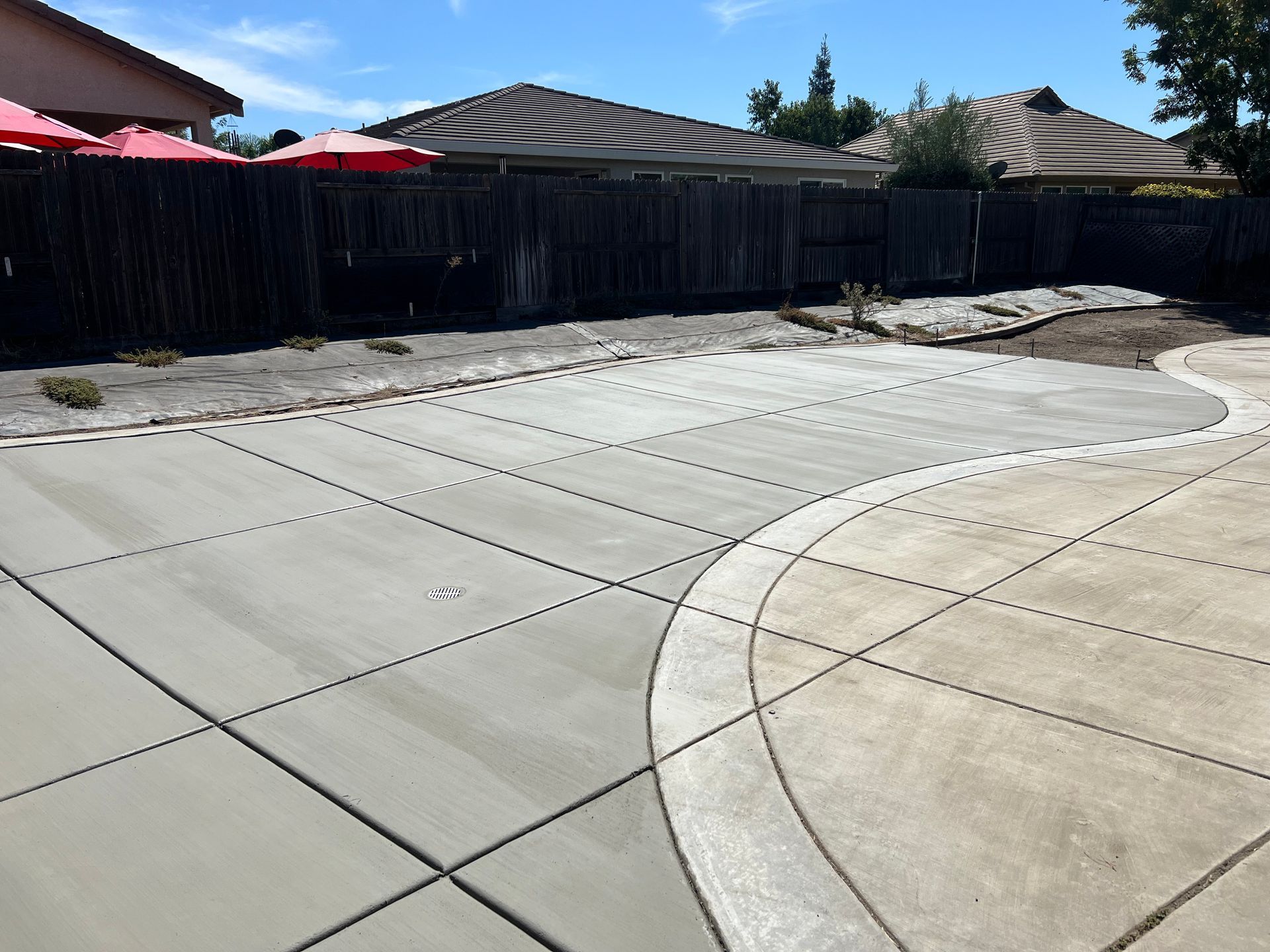
- driveways
- turf areas
- planting beds
That’s why homeowners adding hardscape features in Stockton often include retaining walls as part of the overall design.
Everything works together:
- drainage
- grading
- hardscape
- landscaping
- erosion control
When one part fails, the others usually feel it too.
Signs Your Yard May Have an Erosion Problem
Some warning signs are easy to miss at first.
A few things homeowners should look for:
- soil washing away after watering
- exposed roots around plants or trees
- pooling water near patios or foundations
- mulch constantly shifting downhill
- cracks in concrete surfaces
- uneven or sinking areas in the yard
Even small signs usually mean movement is already happening underneath the surface.
Different Types of Retaining Walls
Not every retaining wall is built the same.
The right option depends on:
- soil conditions
- slope severity
- drainage needs
- overall landscape design
Some of the most common options include:
Concrete Retaining Walls
Strong, durable, and long-lasting.
Concrete retaining walls work especially well for larger slopes or areas needing serious structural support.
They’re also popular in modern hardscape landscaping projects in Stockton because of their clean appearance.
Block Retaining Walls
These are one of the most common residential options.
Block walls balance durability with design flexibility and work well for both functional support and decorative landscaping.
Decorative Retaining Walls
Some retaining walls are designed more for landscape shaping and visual appeal while still helping with erosion control.
These are commonly used around:
- planting beds
- patios
- backyard seating areas
- outdoor living spaces
Why Proper Installation Matters
This part is huge.
A retaining wall is only as good as what’s behind it.
A lot of wall failures happen because of:
- poor drainage
- weak base preparation
- improper grading
- cheap installation shortcuts
That’s why working with professionals experienced in both landscaping and hardscape installation in Stockton matters so much.
The wall itself is important, but the preparation underneath and behind it is what determines whether it lasts.
Erosion Problems Usually Get Worse, Not Better
This is the part homeowners often underestimate.
Erosion rarely stays “small.”
Once water starts finding weak areas in the yard, it usually continues creating damage over time. What starts as minor soil movement can eventually affect landscaping, patios, walkways, and even foundations if ignored long enough.
The earlier the issue gets addressed, the easier (and usually cheaper) it is to fix.
Final Thoughts
Retaining walls do a lot more than make a yard look clean and structured.
They protect your property.
From stabilizing slopes to managing water flow and preventing soil loss, retaining walls help outdoor spaces stay functional, safe, and visually appealing long-term.
And in Stockton, where weather and soil conditions constantly challenge outdoor spaces, that kind of protection makes a huge difference.
Because a beautiful yard only stays beautiful if the ground underneath it stays where it belongs.
Drago Inc. is a licensed (CSLB #1017023) and insured concrete contractor serving Stockton, Manteca, Tracy, Lodi, Lathrop, and surrounding San Joaquin County communities since 2016. Learn more about our concrete patio services or contact us for a free estimate.
Share Now!