When to Repair vs. Replace Your Concrete Driveway
Concrete driveways are built to last, but even the best ones don’t last forever. Over time, weather, soil movement, water exposure, and everyday use start to leave their mark. The tricky part for most homeowners isn’t noticing the damage, it’s knowing whether a simple repair will solve the problem or if a full replacement is the smarter move.
For homeowners in Stockton, where temperature shifts, irrigation runoff, and soil conditions play a big role, making the right call can save thousands of dollars and prevent recurring issues.
Why Concrete Driveways Start to Fail
Concrete is strong, but it’s not immune to wear. Driveway damage usually develops gradually, often starting below the surface before visible cracks appear.
Common causes include:
- Soil movement and settling
- Poor drainage or standing water
- Heavy vehicles or repeated load stress
- Tree root growth
- Aging concrete nearing the end of its lifespan
Once damage appears, the condition of the slab (and what’s happening underneath it) determines whether repair or replacement makes sense.
When Concrete Driveway Repair Is the Right Choice
Not every crack means your driveway is failing. In many cases, targeted repairs restore both function and appearance without the cost of full replacement.
Repair Is Usually Enough If:
- Cracks are narrow, shallow, and isolated
- The surface is mostly level with no sinking
- There’s minimal water pooling
- Damage is cosmetic rather than structural
Crack filling, resurfacing, and spot repairs work well when the concrete base is still stable. Driveways that were properly installed and have good drainage often respond well to professional repairs.
In Stockton homes, concrete repairs are especially effective when damage is caught early, before erosion or soil movement worsens.
Signs It’s Time to Replace Your Concrete Driveway
Repairs stop being cost-effective once structural problems develop. If the underlying concrete or soil has failed, patching the surface only delays the inevitable.
Replacement Is the Better Option If:
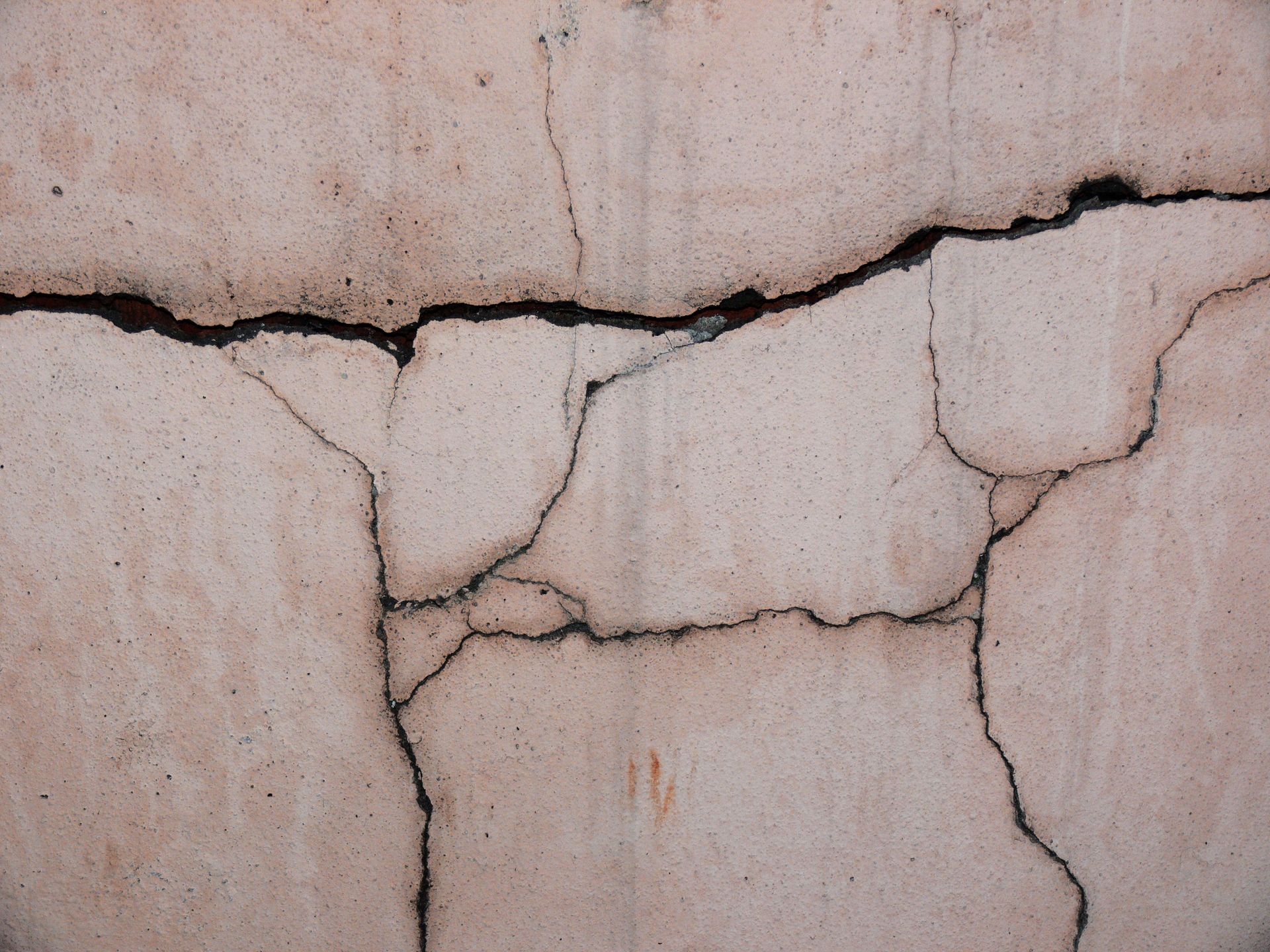
- Large cracks spread across multiple sections
- Sections of the driveway are sinking or lifting
- Water consistently pools or drains toward the home
- The surface is severely uneven or broken
- The driveway is over 25–30 years old
At this stage, replacement allows for proper grading, reinforcement, and drainage, issues that repairs can’t fix.
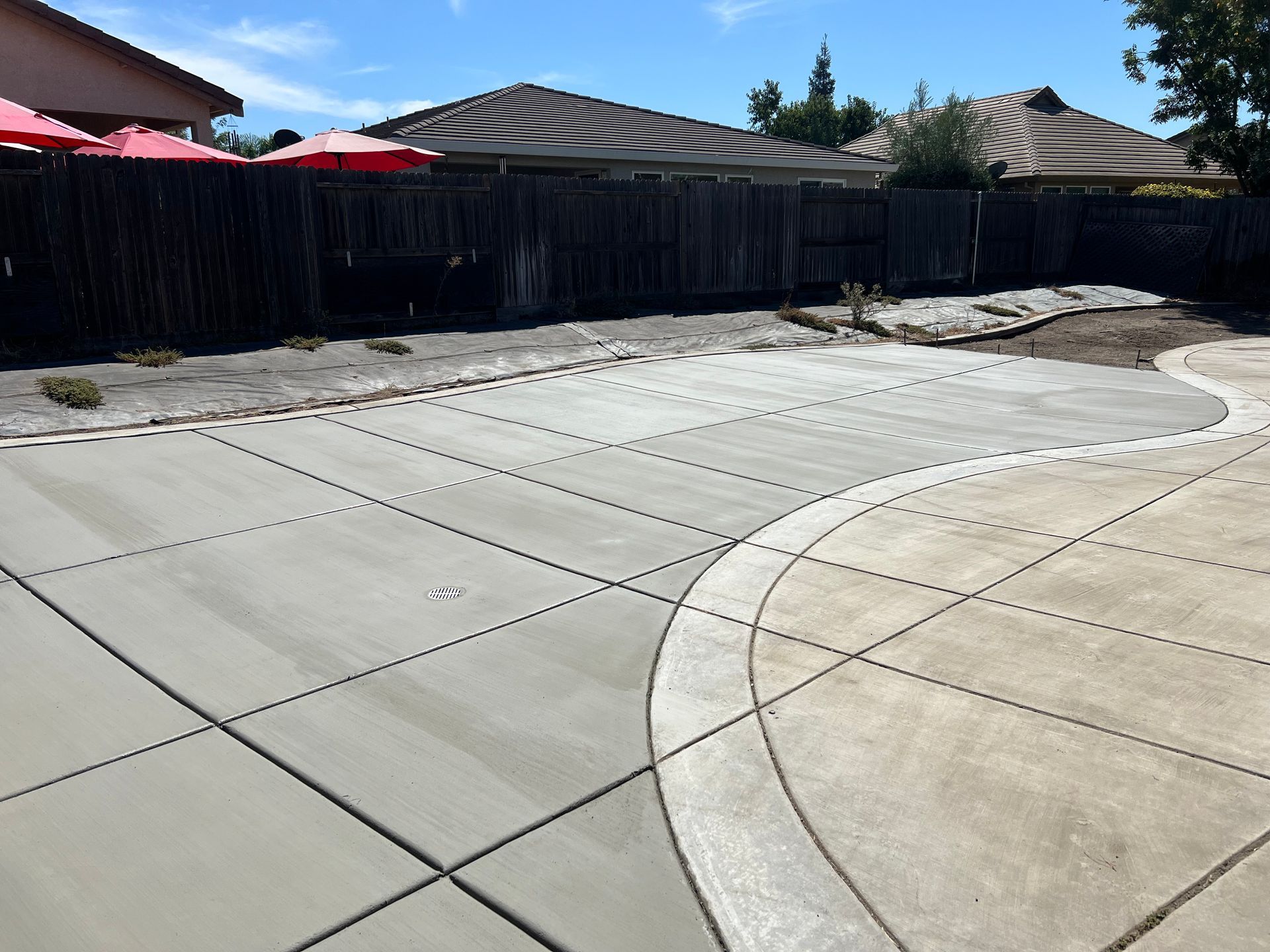
Many homeowners also choose replacement when upgrading their property, since a new concrete driveway dramatically improves curb appeal and functionality.
Repair vs. Replacement: Cost vs. Long-Term Value
Repairing a driveway is typically less expensive upfront, but repeated repairs can add up over time. Replacement costs more initially, but it eliminates ongoing issues and extends the lifespan of the surface by decades.
A driveway that needs frequent repairs often signals deeper problems with soil stability or drainage. Addressing those factors during replacement prevents future cracking and surface failure.
In Stockton, new concrete installations often include improved grading and reinforcement, making them more durable than older driveways built to outdated standards.
How Drainage and Landscaping Affect Your Driveway
Concrete driveways don’t exist in isolation. Water runoff from surrounding landscaping, irrigation systems, and sloped yards plays a major role in how long concrete lasts.
Poor drainage causes soil erosion beneath the slab, leading to cracking and sinking. That’s why driveway performance is closely tied to proper landscaping, grading, and water management around the home.
Driveways installed alongside well-planned landscaping tend to last longer and require fewer repairs over time.
When Repairs Become a Temporary Fix
A common mistake homeowners make is repairing the same driveway again and again. If cracks keep returning, or new damage appears shortly after repairs, replacement is often the more cost-effective choice.
Temporary fixes can mask symptoms without addressing the cause, especially when soil movement or water exposure is involved.
A professional assessment helps identify whether repairs will actually solve the issue or simply delay a larger project.
How Long Does a Concrete Driveway Last?
On average, a professionally installed concrete driveway lasts:
- 20–30 years with standard use
- Longer with proper drainage and maintenance
Driveways nearing the end of this range often benefit more from replacement than repair, especially if multiple issues are present.
Why Professional Evaluation Matters
Choosing between repair and replacement isn’t always obvious. A professional contractor evaluates:
- Crack type and pattern
- Soil conditions beneath the slab
- Drainage performance
- Overall structural integrity
This ensures the solution addresses the real problem, not just what’s visible on the surface.
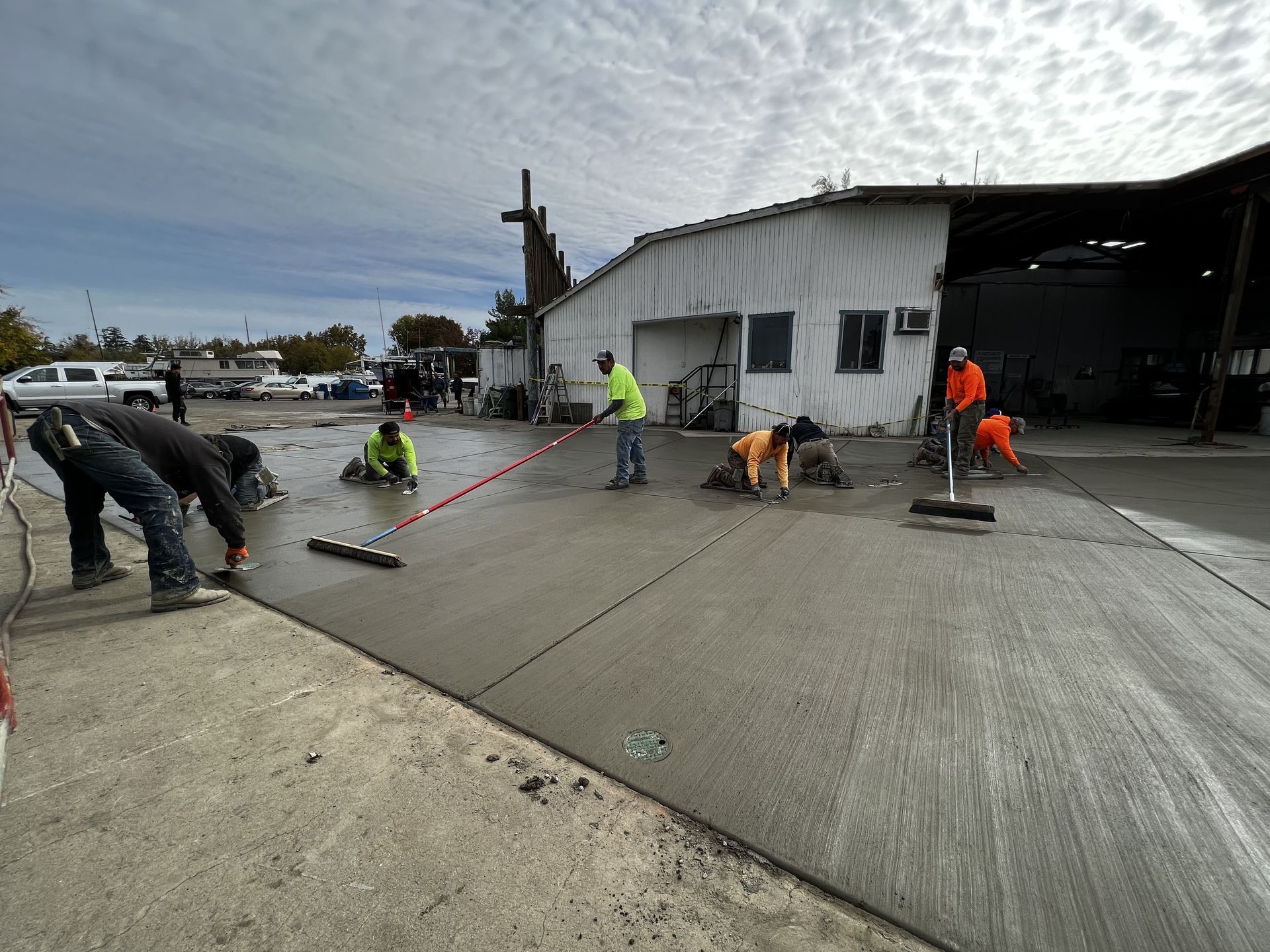
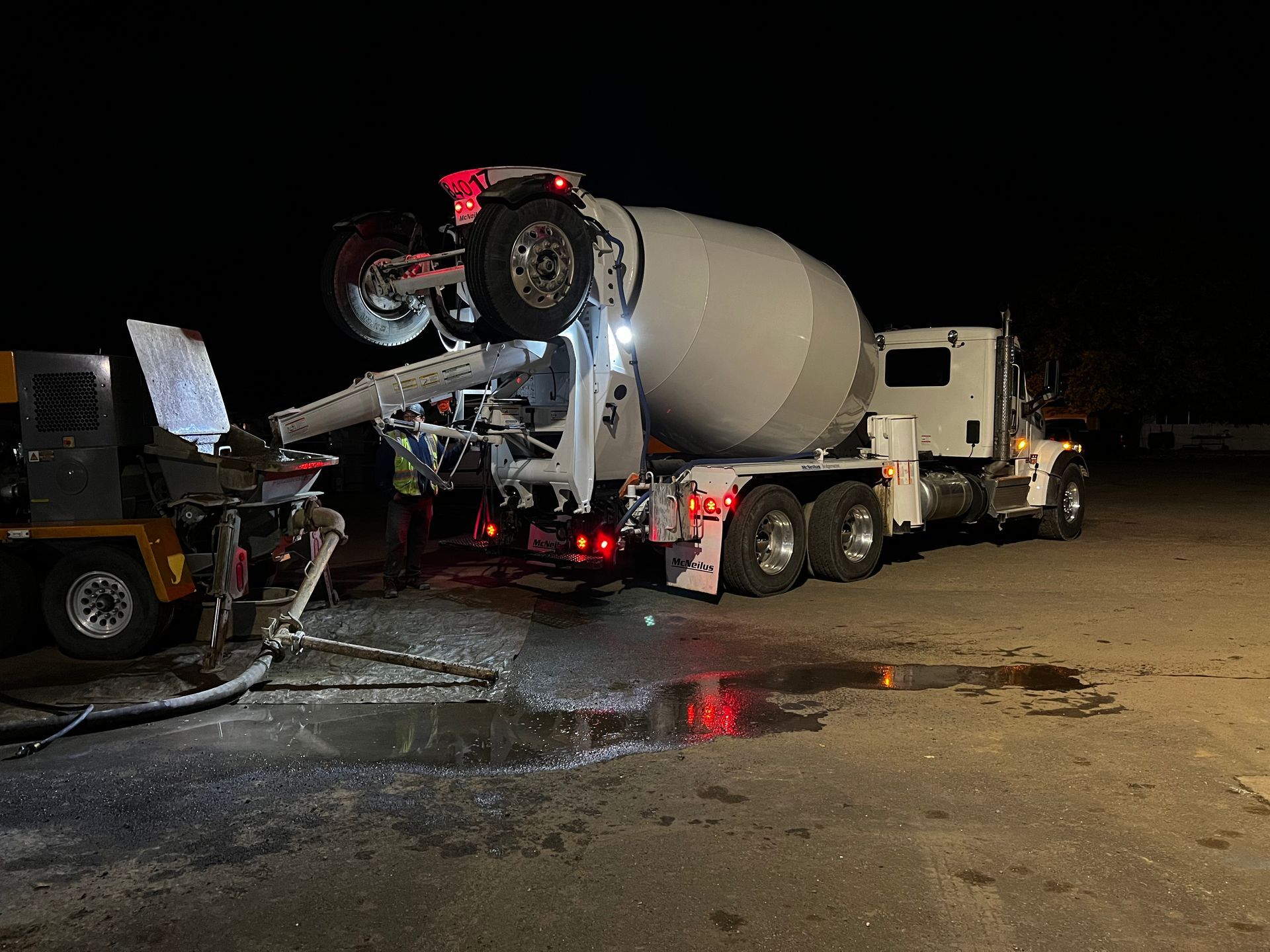
Drago Inc. provides expert concrete services in Stockton, helping homeowners make informed decisions that protect their property and budget.
Make the Right Choice for Your Driveway
Concrete driveway damage doesn’t have to be a guessing game. Understanding the difference between surface wear and structural failure makes it easier to choose the right solution.
If your driveway needs minor repairs or a full replacement, addressing issues early prevents more expensive damage later, and ensures your home stays safe, functional, and visually appealing.
Frequently Asked Questions About Concrete Driveway Repair & Replacement
Can cracked concrete be repaired permanently?
Yes, if cracks are minor and the slab beneath is stable. Structural cracks usually require replacement.
Is resurfacing better than replacing a driveway?
Resurfacing works for cosmetic issues but won’t fix sinking or drainage problems.
How long should repairs last?
Professional repairs can last several years, depending on usage and environmental conditions.
Does replacing a driveway improve home value?
Yes. A new concrete driveway boosts curb appeal, functionality, and resale value.
When is the best time to replace a driveway?
Dry, mild weather is ideal, which makes many homeowners in Stockton plan projects during warmer months.
Drago Inc. is a licensed (CSLB #1017023) and insured concrete contractor serving Stockton, Manteca, Tracy, Lodi, Lathrop, and surrounding San Joaquin County communities since 2016. Learn more about our concrete patio services or contact us for a free estimate.
Share Now!