Step-by-Step: How We Build a Concrete Driveway in Stockton
A concrete driveway isn’t just a slab poured in front of your house. When installed correctly, it’s a structural system designed to handle vehicle weight, shifting soil, irrigation runoff, and Stockton’s seasonal weather changes.
If you’re considering a concrete driveway in Stockton, understanding the installation process helps you see what separates a long-lasting driveway from one that cracks prematurely.
Here’s exactly how we build it.
What the Installation Process Really Looks Like
Many homeowners are surprised by how much preparation goes into a properly installed driveway. The visible concrete is only part of the equation, what’s underneath matters just as much. Here’s a step-by-step look at how a professional concrete driveway in Stockton is built for long-term performance.
Step 1: On-Site Evaluation & Planning
Every driveway project starts with a site visit. No two properties in Stockton are exactly the same.
We evaluate:
- Soil condition and stability
- Drainage patterns
- Existing base material
- Slope and grading
- Vehicle load requirements
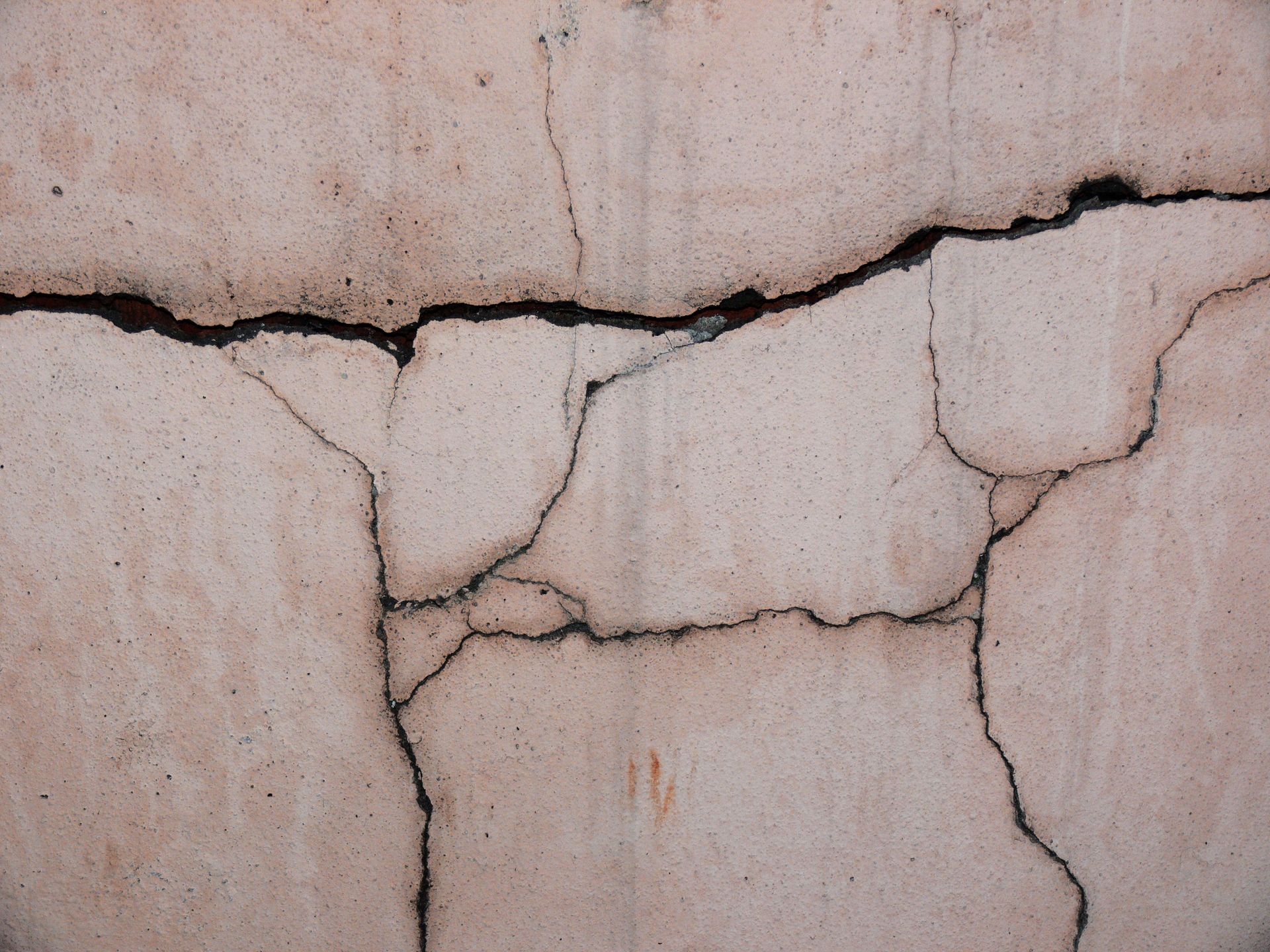
Stockton’s clay-heavy soil can expand and contract with moisture changes. If this isn’t accounted for during planning, cracking becomes almost inevitable. Proper prep begins here.
Step 2: Demolition & Removal (If Replacing)
If we’re replacing an existing driveway, the old concrete is removed completely. Leaving compromised material underneath is one of the biggest causes of future failure.
We remove:
- Old concrete slabs
- Broken base material
- Debris affecting compaction
Starting clean ensures the new driveway has a solid foundation.
Step 3: Excavation & Base Preparation
This is where durability is built.
We excavate to the proper depth and install a compacted aggregate base. The base layer supports the concrete and prevents shifting over time.
Proper base preparation includes:
- Grading for correct slope
- Compacting in layers
- Ensuring water flows away from the home
In Stockton, poor drainage is one of the leading causes of driveway cracking. Water should never pool against your garage or foundation.
Step 4: Form Setting & Reinforcement
Once the base is prepared, we set forms to shape the driveway and define edges.
Reinforcement is added depending on the project:
- Rebar or wire mesh
- Fiber-reinforced concrete (when applicable)
Reinforcement helps control cracking and adds structural strength, especially for heavier vehicles.
Step 5: Pouring the Concrete
This step moves quickly but requires precision.
We:
- Pour high-quality concrete mix
- Spread and level evenly
- Ensure consistent thickness throughout
Driveways in Stockton typically require thicker pours than patios because of vehicle load. Cutting corners here leads to premature failure.
Step 6: Finishing the Surface
The finish affects both appearance and traction.
Common driveway finishes include:
- Broom finish (most popular for traction)
- Smooth finish
- Decorative or stamped concrete
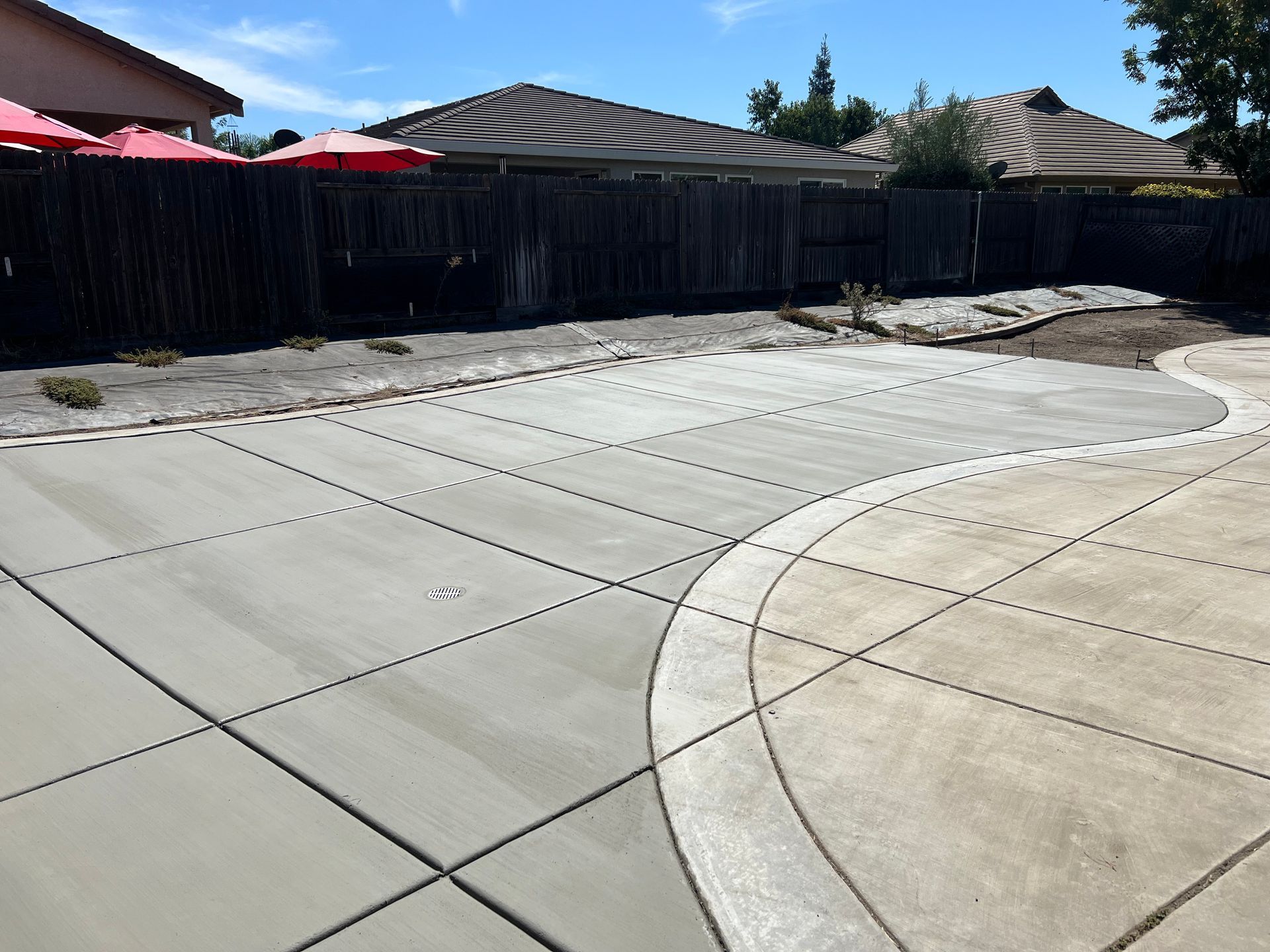
Control joints are cut strategically to guide natural cracking into clean, straight lines rather than random fractures.
Step 7: Proper Curing
Concrete doesn’t “dry.” It cures.
Curing allows the concrete to gain strength over time. Rushing this step or driving on it too soon can reduce lifespan significantly.
Typical timeline:
- Light foot traffic: 24–48 hours
- Vehicle traffic: About 7 days (depending on conditions)
Step 8: Final Inspection & Clean Up
Before we consider the job complete, we check:
- Surface consistency
- Joint placement
- Drainage flow
- Edge integrity
A professionally installed concrete driveway in Stockton should last decades when properly built and maintained.
Why Proper Installation Matters in Stockton
Stockton properties face unique challenges:
- Expansive soil conditions
- Irrigation runoff
- Heavy vehicle use
- Seasonal temperature swings
Many driveway failures aren’t caused by the concrete itself. They’re caused by improper base prep, poor drainage planning, or thin pours.
That’s why the installation process matters just as much as the material.
How Long Does a Concrete Driveway Last?
When built correctly, a concrete driveway can last 25–30+ years.
Longevity depends on:
- Soil stability
- Drainage design
- Reinforcement
- Thickness
- Maintenance
Routine sealing and minor crack repairs can extend lifespan even further.
Thinking About a Concrete Driveway in Stockton?
Whether you’re replacing a cracked driveway or installing a new one, understanding the process helps you make an informed decision.
A properly installed driveway improves:
- Curb appeal
- Property value
- Drainage efficiency
- Daily functionality
If you’re planning a concrete driveway installation in Stockton, we’re happy to walk you through your options and provide a clear, honest estimate.
Drago Inc. is a licensed (CSLB #1017023) and insured concrete contractor serving Stockton, Manteca, Tracy, Lodi, Lathrop, and surrounding San Joaquin County communities since 2016. Learn more about our concrete patio services or contact us for a free estimate.
Share Now!