Paver Patio vs Stone Patio: Pros, Cons, and Cost in Stockton
If you’re thinking about upgrading your backyard, a patio is usually the first move.
It gives you a place to relax, host, and actually use your outdoor space, especially during those long Stockton evenings. But once you start planning, one question comes up fast:
Should you go with pavers or natural stone?
Both look great. Both can last for years. But they’re not the same, especially when you factor in Stockton’s heat, soil, and long-term maintenance.
Let’s break it down in a way that actually helps you decide.
Why Your Patio Material Matters in Stockton
Stockton isn’t the easiest environment for outdoor surfaces.
You’ve got:
- Hot summers
- Dry conditions
- Soil that can shift over time
- Dust and irrigation runoff
That means your patio material needs to handle movement, heat, and everyday use without falling apart or looking worn too quickly.
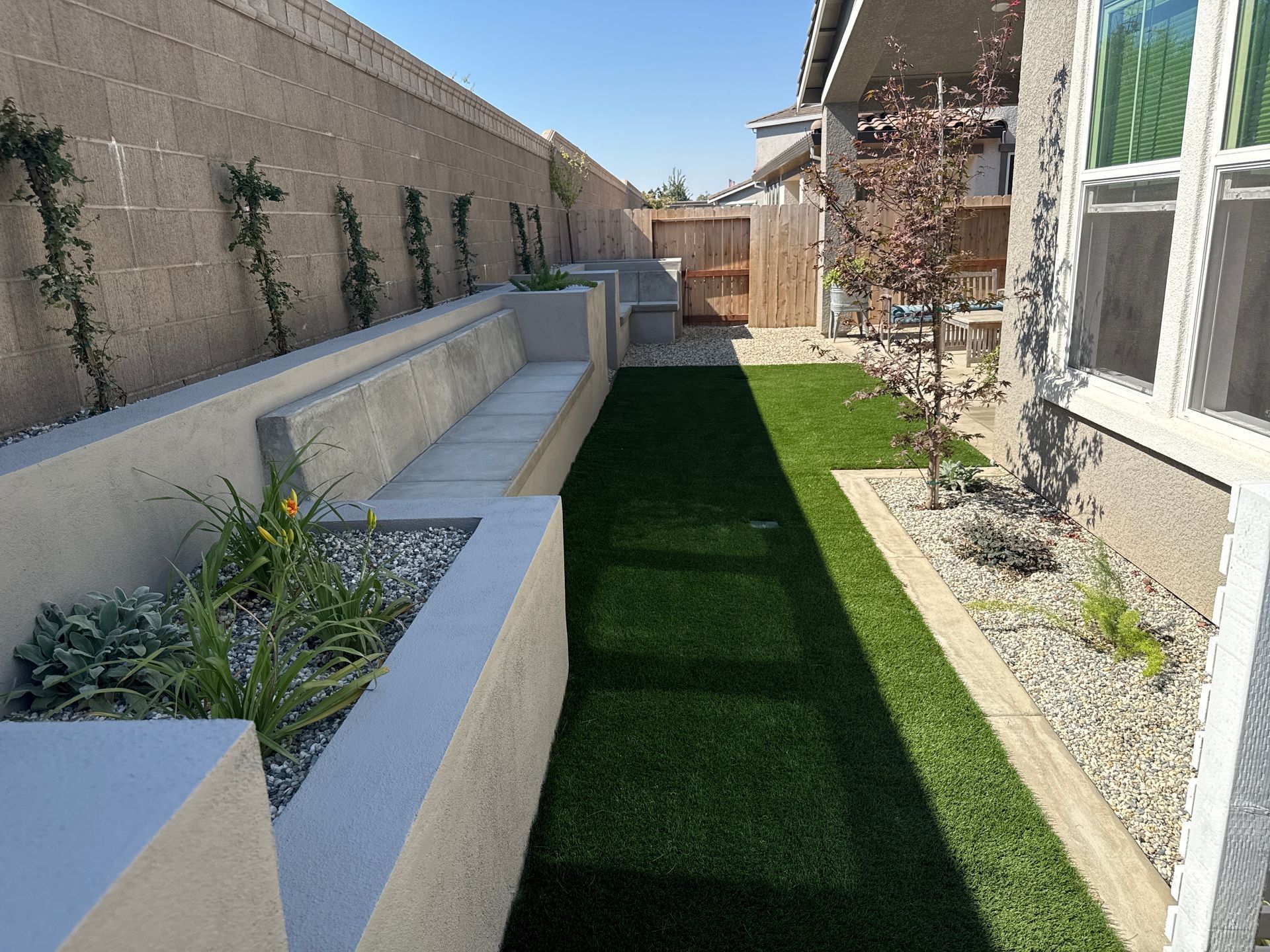
That’s why homeowners investing in hardscape patios in Stockton tend to focus just as much on the foundation and material choice as the design itself.
What Are Paver Patios?
Paver patios are built using individual concrete or stone units laid in a pattern over a compacted base.
They’re one of the most popular options for Stockton pavers projects, and for good reason, they’re versatile, durable, and customizable.
Pros of Paver Patios
Flexible and Crack-Resistant
Because pavers are installed in pieces, they can shift slightly with the ground instead of cracking like a solid slab.
This is a big advantage in Stockton, where soil movement is common.
Easy to Repair
If one section gets damaged or stained, you don’t need to redo the whole patio. You can replace individual pavers and keep everything looking consistent.
Design Flexibility
Pavers come in different shapes, colors, and patterns.
You can go modern, traditional, or something custom, which is why they’re often used in landscaping projects in Stockton that aim for a more designed, high-end look.
Great Drainage
Water naturally drains through the joints between pavers, reducing pooling and runoff issues.
Cons of Paver Patios
Higher Upfront Cost
Pavers usually cost more upfront than basic concrete or simpler materials.
More Installation Time
Because they’re installed piece by piece, the process takes longer and requires more precision.
Occasional Maintenance
You may need to re-level sections or refill joint sand over time, especially in high-traffic areas.
What Are Stone Patios?
Stone patios are built using natural materials like flagstone, slate, or travertine.
Each piece is unique, which gives the patio a more organic, natural feel.
Pros of Stone Patios
Natural, High-End Look
Stone has a premium feel that’s hard to replicate. No two pieces are exactly the same, which gives your patio a custom look.
Durable Materials
Natural stone is strong and can hold up well over time when installed correctly.
Blends with Landscaping
Stone works especially well in yards with plants, rock, and natural elements, making it a great fit for more organic landscape designs.
Cons of Stone Patios
Higher Cost Overall
Stone is typically more expensive than pavers, both in materials and labor.
Irregular Surface
Because it’s natural, the surface can be uneven. That can be a downside for furniture placement or accessibility.
More Complex Installation
Stone requires careful placement and experience to install properly. Without that, it can shift or settle unevenly.
Real-Life Example: What Works Best?
Let’s say you’ve got a backyard in Stockton with:
- A flat layout
- Kids or pets
- Frequent use for entertaining
Pavers are usually the better choice: durable, flexible, and easier to maintain.
Now imagine:
- A more natural, garden-style yard
- Less foot traffic
- Focus on aesthetics
Stone might be the better fit for that elevated, custom look.
Cost Factors
Instead of focusing on exact pricing (which can vary a lot), it’s more helpful to understand what actually affects cost:
- Size of the patio
- Type of material (basic vs premium)
- Base preparation and grading
- Accessibility of the project area
- Design complexity
For example, a simple paver layout on a flat yard will cost less than a detailed stone patio with curves, elevation changes, and custom cuts.
That’s why most homeowners exploring hardscape patios in Stockton benefit from a custom quote based on their space.
Installation Matters More Than Material
Here’s the part most people overlook:
You can choose the best material in the world, but if the installation isn’t done right, it won’t last.
The base, compaction, drainage, and layout are what determine how your patio performs over time.
That’s why working with a team that understands both hardscape and full landscaping services in Stockton makes a huge difference. Everything needs to work together, not separately.
So… Pavers or Stone?
If you want:
- Durability
- Flexibility
- Easier maintenance
Go with pavers
If you want:
- A natural, custom look
- Premium aesthetics
- A unique finish
Go with stone
Both can look incredible when done right. It really comes down to how you plan to use the space and the overall style you’re going for.
Final Thoughts
A patio isn’t just another feature, it’s where your outdoor space comes to life.
Whether you go with pavers or stone, the goal is the same: something that looks good, holds up in Stockton’s climate, and actually gets used.
And when it’s built right from the ground up, you’re not just adding a patio, you’re adding long-term value to your home.
Drago Inc. is a licensed (CSLB #1017023) and insured concrete contractor serving Stockton, Manteca, Tracy, Lodi, Lathrop, and surrounding San Joaquin County communities since 2016. Learn more about our concrete patio services or contact us for a free estimate.
Share Now!