Mistakes to Avoid When Pouring a Concrete Patio in Stockton
Concrete patios are one of those upgrades that feel simple at first. A clean slab, a few chairs, maybe a grill, and suddenly your backyard feels bigger. But in Stockton, patios don’t fail because people want something fancy. They fail because small details get missed early on and concrete doesn’t forget those mistakes.
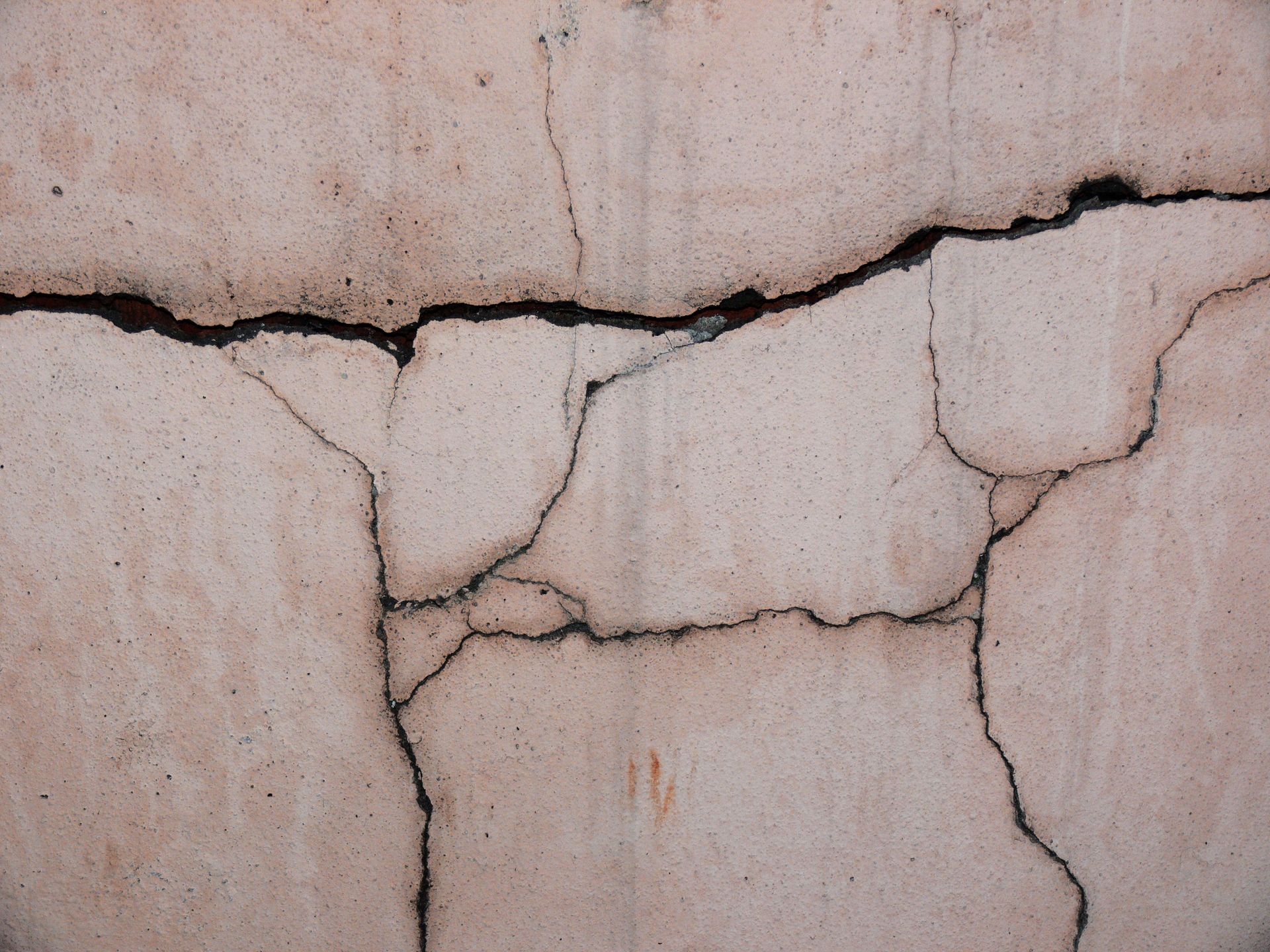
You might not notice anything right away. The surface looks fine. Everything feels solid. Then months later, cracks show up in places that don’t make sense. Water starts pooling after rain. The color fades unevenly. What should have been a long-term upgrade starts feeling like a short-term fix.
Most of these issues aren’t random. They’re tied to choices made before, during, and right after the pour. Knowing where patios usually go wrong helps avoid repairs, frustration, and doing the whole thing twice.
Why Concrete Patios Fail Faster Than Expected in Stockton
Stockton’s climate and soil create a unique challenge for concrete work. Hot summers, cooler winters, and shifting ground all put stress on slabs over time. Concrete patios that aren’t built with these conditions in mind tend to show wear much sooner.
This is why concrete patio installation in Stockton needs a different approach than in milder climates. What works elsewhere doesn’t always hold up here.
Rushing the Planning Stage
One of the most overlooked mistakes happens before any concrete is poured.
Patios are often treated as standalone projects, but they’re rarely used that way. They connect to landscaping, walkways, turf, and outdoor living areas. Skipping proper planning leads to patios that feel awkward, undersized, or poorly placed.
Good planning considers:
- Sun exposure throughout the day
- How furniture and foot traffic will flow
- Future upgrades like outdoor kitchens or shade structures
- Transitions into landscaping or pavers
Concrete contractors in Stockton who take time during this phase avoid layout regrets later.
Underestimating Soil Movement
Stockton soil moves more than people realize.
Without proper excavation and base preparation, even a thick slab can crack. Soil that isn’t compacted evenly settles over time, pulling the concrete with it.
This is why residential concrete patio contractors focus so heavily on:
- Removing unstable soil
- Installing a solid base
- Compacting in layers
Skipping these steps is one of the fastest ways to shorten the life of a concrete patio.
Pouring Without a Clear Drainage Plan
Water always finds the weakest point.
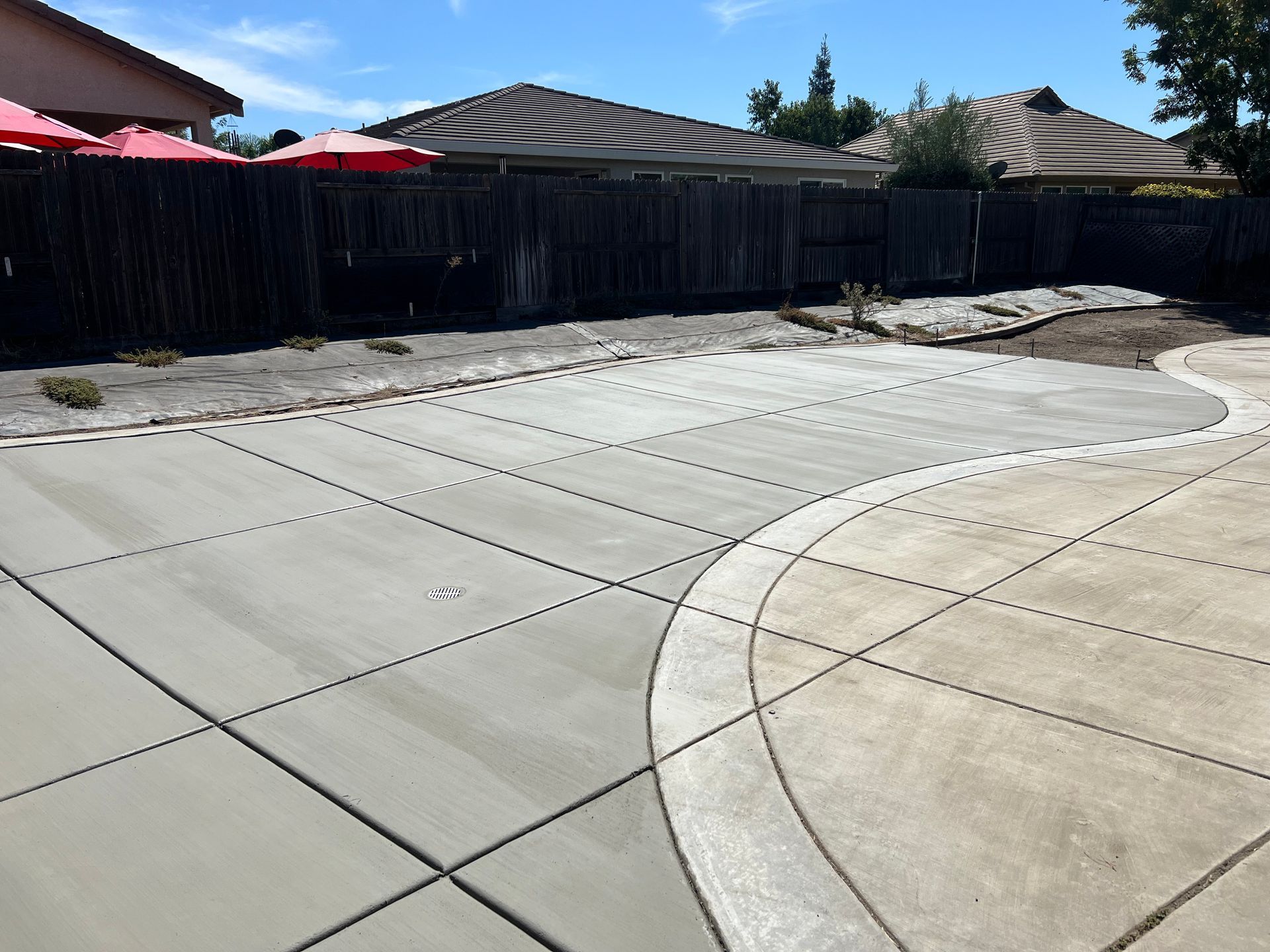
Concrete patios that look perfectly level often cause problems because they are too level. Without a subtle slope, water collects instead of draining away. Over time, moisture works into small cracks and expands them.
Proper concrete patio construction includes:
- Sloping away from the home
- Directing runoff toward landscaping or drains
- Avoiding low spots that trap water
This detail alone can determine whether a patio lasts decades or starts breaking down early.
Choosing Appearance Over Performance
Stamped concrete patios and decorative finishes are popular in Stockton for good reason. They look great. But choosing a finish without considering durability can backfire.
Some mistakes include:
- Using finishes that retain too much heat
- Skipping sealers that protect against sun damage
- Applying decorative textures without proper curing time
A good concrete driveway and patio contractor balances aesthetics with long-term performance so the patio still looks good years later.
Cutting Corners on Reinforcement
Reinforcement is what helps concrete hold its shape over time.
Skipping rebar or wire mesh may not cause immediate issues, but it weakens the slab’s ability to handle weight and movement. This becomes especially important for patios that support heavy furniture, outdoor kitchens, or foot traffic.
Professional concrete patio services include reinforcement that matches the patio’s size and intended use.
Relying Too Heavily on DIY Fixes
Small cracks turn into big problems when they’re ignored or patched incorrectly.
DIY repairs often:
- Seal moisture inside the slab
- Hide underlying movement issues
- Fail under temperature changes
This leads to repeated repairs instead of long-term solutions. Experienced concrete contractors look at the cause, not just the symptom.
Skipping the Curing Process
Curing is not the same as drying.
Concrete that dries too fast becomes weaker. In Stockton heat, improper curing is a common reason patios crack early or develop surface issues.
Correct curing:
- Controls moisture loss
- Increases strength
- Improves durability
This step can’t be rushed, and it’s one of the biggest differences between professional concrete patio installation and quick pours.
Why Professional Installation Makes the Difference
Concrete patios involve more than pouring and smoothing. They require planning, timing, material knowledge, and local experience.
Local concrete patio contractors understand Stockton soil, weather, and permitting requirements. That experience shows up in patios that stay flat, drain correctly, and hold up year after year.
FAQs About Pouring a Concrete Patio in Stockton
How long does a concrete patio last in Stockton?
A properly installed concrete patio can last 25 to 30 years or more in Stockton. Longevity depends on soil preparation, reinforcement, drainage, and proper curing. Patios that crack early usually skip one of these steps.
Does concrete need to cure before using the patio?
Yes. Concrete needs time to cure, not just dry. Light foot traffic is usually okay after a few days, but heavy furniture, grills, or outdoor kitchens should wait until curing is complete. Rushing this stage weakens the surface and increases cracking risk.
Why do concrete patios crack so quickly?
Most cracks come from soil movement, poor drainage, lack of reinforcement, or concrete drying too fast in hot weather. These issues often start below the surface and show up months later.
Is stamped concrete a good option for patios in Stockton?
Stamped concrete can work very well in Stockton when installed correctly. It needs proper sealing and curing to prevent fading and surface damage from heat. Choosing the right finish matters just as much as the design.
Do I need a permit for a concrete patio in Stockton?
Permit requirements depend on patio size, location, and whether it connects to structures like your home. A local concrete patio contractor can confirm requirements and handle permits if needed.
Can I pour a concrete patio myself?
Small DIY projects are possible, but larger patios often run into issues with grading, drainage, reinforcement, and curing. Professional concrete patio services reduce the risk of long-term problems and costly repairs.
A Smarter Way to Approach a Concrete Patio Project
The best patios don’t come from avoiding mistakes at the last minute. They come from making the right decisions at the start.
A well-built concrete patio should feel effortless. No puddles. No early cracks. No regrets about placement or size. Just a solid space that works with your yard and lifestyle.
If you’re thinking about building or replacing a concrete patio in Stockton, a consultation can help spot potential issues before concrete ever hits the ground and make sure the finished space is something you actually enjoy using.
Drago Inc. is a licensed (CSLB #1017023) and insured concrete contractor serving Stockton, Manteca, Tracy, Lodi, Lathrop, and surrounding San Joaquin County communities since 2016. Learn more about our concrete patio services or contact us for a free estimate.
Share Now!