How Much Do Retaining Walls Cost in Stockton
If you have a sloped yard, an eroding hillside, or a property line that drops off, you already know you need a retaining wall. What you probably want to know before calling anyone is: what is this going to cost?
The honest answer depends on several factors, and we will walk through all of them here. By the end of this article, you will know what drives retaining wall prices up or down, what a typical Stockton project looks like, and what questions to ask any contractor before signing.
Drago Inc. has been building retaining walls in Stockton and the surrounding San Joaquin Valley since 2016. CSLB #1017023.
What Affects the Cost of a Retaining Wall?
Retaining wall pricing is not one number. A short decorative wall along a garden bed costs a fraction of what a 4-foot engineered wall holding back a hillside costs. Here are the variables that matter most.
Wall Height
Height is the single biggest cost driver. A taller wall requires more material, deeper footings, more labor, and often engineered drainage behind it. In California, walls over 4 feet typically require a building permit and engineered plans, which adds cost before a shovel hits the ground.
Short walls under 2 feet are the most affordable. Walls between 3 and 4 feet are mid-range. Once you get to 5 feet and above, you are looking at a significantly different price point because of the structural requirements involved.
Linear Footage
Cost scales with length. A 20-foot wall will obviously cost more than a 10-foot wall using the same materials. When getting estimates, ask contractors to break out cost per linear foot so you can compare proposals accurately.
Material Type
The material you choose affects both the upfront cost and the long-term durability of the wall. The most common options in Stockton are:
- Poured concrete: The most durable option and the one we use for most structural retaining walls at Drago Inc. Clean lines, long lifespan, and it holds up well in Stockton's clay soil. Higher material and labor cost upfront, but it rarely needs replacement.
- Concrete block: A modular system using interlocking blocks. Good for mid-height walls with a decorative finish option. Mid-range on price.
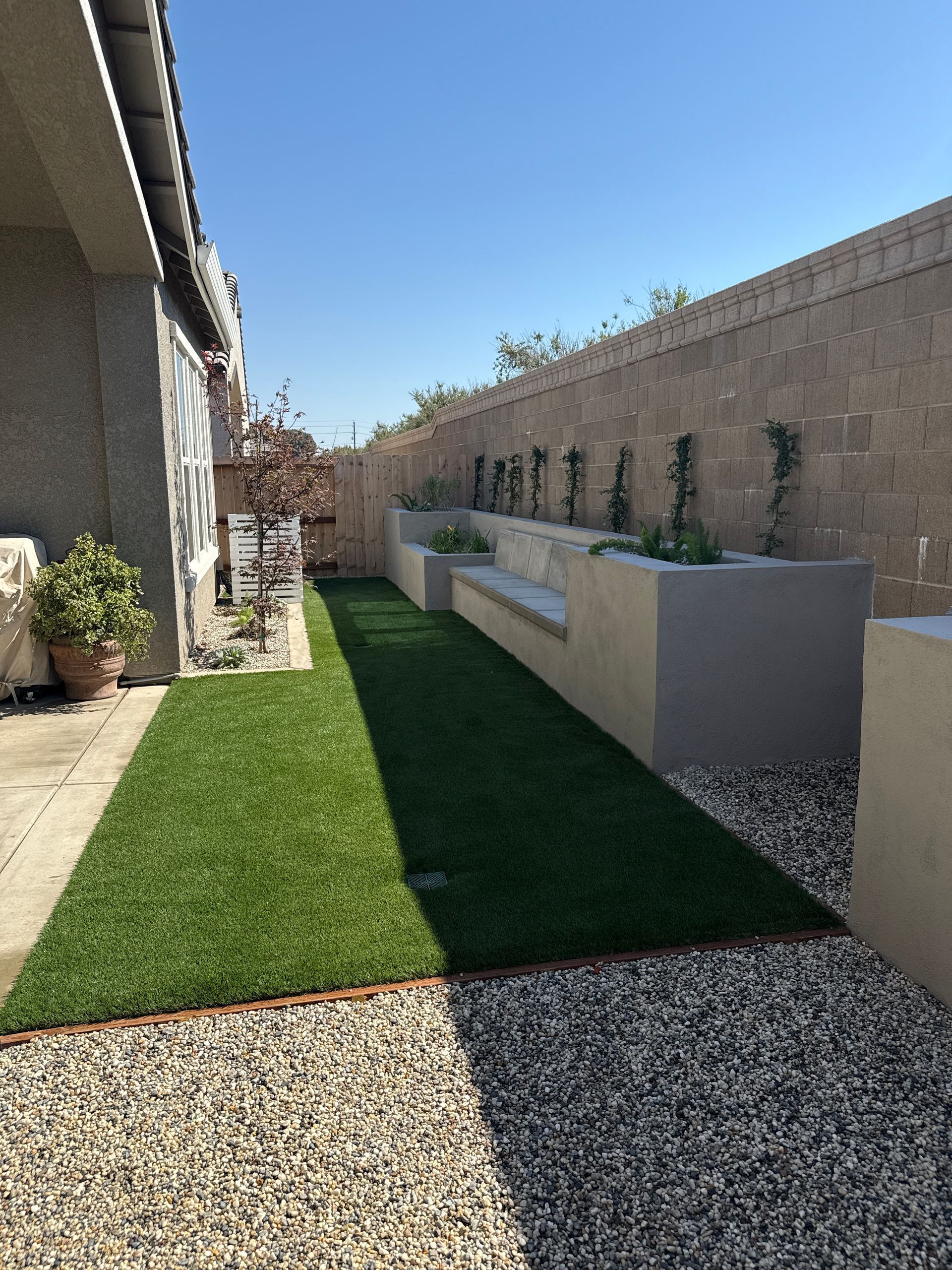
- Concrete masonry with stucco finish: Block wall with a finished surface. Common in Stockton neighborhoods where aesthetics matter. Adds labor cost but significantly improves curb appeal.
- Natural stone veneer: The highest-end finish option. Typically used over a concrete block or poured concrete base. Premium price but premium look.
Base Preparation and Footings
This is where inexperienced contractors cut corners and where problems show up 2 to 3 years later. A retaining wall is only as solid as what it sits on. In Stockton, clay soil expands when it gets wet and contracts in the summer heat, which means a wall without proper footings will shift, crack, and lean over time.
Proper base prep includes compacted gravel base, correct footing depth, and in some cases, helical piers for heavier walls. Do not skip this step to save money upfront.
Drainage Behind the Wall
Water is what kills retaining walls. If water builds up behind the wall and has nowhere to go, hydrostatic pressure will push the wall forward, crack the base, and eventually cause failure. Every properly built retaining wall needs drainage behind it, typically a gravel backfill layer and a perforated drain pipe to channel water away.
In Stockton specifically, the clay soil holds water rather than draining through it, which makes drainage behind the wall non-negotiable. If a contractor quotes you a retaining wall without mentioning drainage, ask about it directly.
Permits
In Stockton, walls over 4 feet in height generally require a building permit from the City of Stockton and may require engineered drawings. Permit costs vary but should be factored into your total project budget. A licensed contractor will handle permit applications; an unlicensed one often skips them, which creates liability for you as the homeowner.
Retaining Wall Cost Factors at a Glance
| Variable | Lower Cost | Higher Cost |
|---|---|---|
| Wall height | Under 2 feet | 4 feet and above |
| Material | Concrete block | Poured concrete or stone veneer |
| Linear footage | Short run (10 to 20 ft) | Long run (50+ ft) |
| Base prep | Shallow, soft soil | Deep footings, clay soil |
| Drainage | Simple gravel backfill | French drain system |
| Permit required | No (under 4 ft) | Yes (over 4 ft, engineered) |
| Finish | Plain block | Stucco, stone, or decorative cap |
What a Typical Stockton Retaining Wall Project Looks Like
To give you a realistic picture without naming specific prices (which vary by project, material costs, and site conditions), here is what most Stockton retaining wall jobs involve.
- Small garden or planter wall (1 to 2 feet, 20 to 30 linear feet): Straightforward project. Usually concrete block or poured concrete curbing. Base prep is simple. No permit required. Turnaround is typically 1 to 2 days.
- Mid-height yard wall (2 to 4 feet, 30 to 50 linear feet): The most common residential retaining wall project in Stockton. Requires proper footing, gravel drainage backfill, and often a drain pipe. Permit may or may not be required depending on exact height. This is the range where material choice makes the biggest price difference.
- Structural wall (4+ feet): Requires engineered plans, permit, deep footings, and substantial drainage work. Longer timeline (permit process adds time). These projects are priced individually because site conditions vary significantly.
- Tiered walls: Some Stockton properties have grade changes too large for a single wall, so we build two or three shorter walls with planted or gravel-filled terraces between them. This distributes the load and often looks better than one tall wall. Total cost is higher than a single wall but avoids the permit and engineering requirements of a single tall structure.
Tiered walls are one of the most versatile solutions we offer for retaining wall installation in Stockton properties with significant grade changes.
Retaining Walls in Stockton: What Makes This Market Different
Stockton's soil and climate create specific challenges that affect how retaining walls are built and priced here compared to other parts of California.
- Clay soil: The San Joaquin Valley's clay-heavy soil expands when wet and contracts when dry. This movement puts stress on wall foundations throughout the year. Walls built without accounting for this will move. Proper compacted gravel base and deep footings are required, not optional.
- Summer heat: 100+ degree summers cause the soil to dry out and contract significantly. This cycle of expansion and contraction over years is harder on walls than in coastal climates. Concrete is the most durable material for these conditions.
- Water intrusion after rain: When Stockton does get rain, it comes in concentrated bursts rather than steady drizzle. Clay soil that is bone-dry in October becomes saturated in January. Drainage systems behind retaining walls need to handle that volume without backing up.
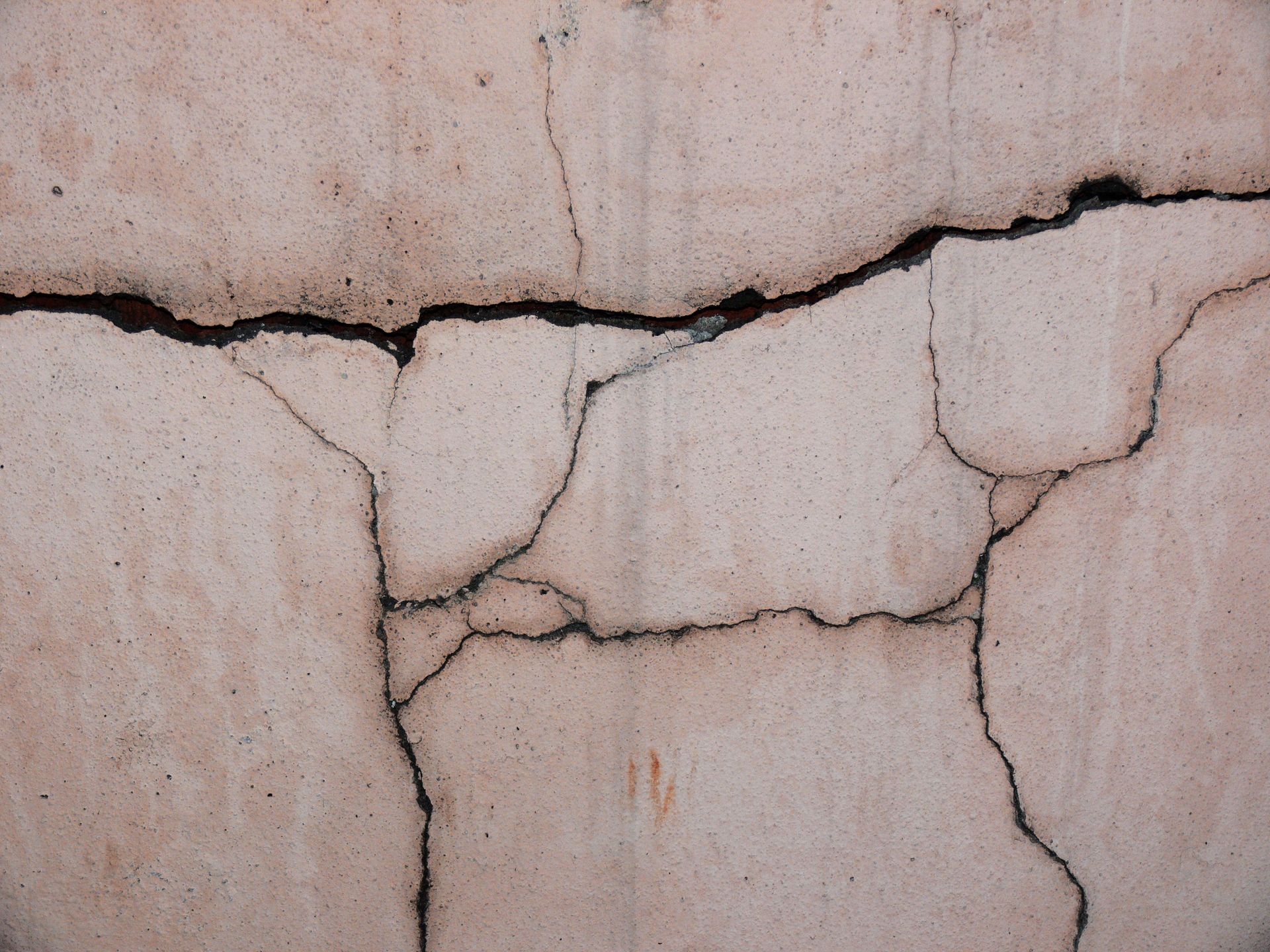
If you have ever seen a retaining wall in Stockton that is visibly leaning forward, cracked at the base, or has water staining running down the face, inadequate drainage or shallow footings is almost always the reason.
What to Ask Before Hiring a Retaining Wall Contractor in Stockton
Before you sign anything, ask these questions:
- Are you licensed with the CSLB? Ask for their license number and verify it at cslb.ca.gov. Drago Inc. CSLB #1017023.
- Do you carry general liability and workers' compensation insurance? Get proof of both before work starts.
- Will this wall require a permit? If the wall is over 4 feet or on a property line, the answer should be yes. A contractor who says you do not need a permit for a 5-foot wall is either uninformed or cutting corners.
- What drainage system are you including? If the answer is "we will compact the soil and that's it," keep shopping.
- Can I see examples of retaining walls you have built? Any experienced contractor should have photos of completed work.
Our retaining walls in Stockton portfolio includes projects across the city and surrounding communities.
FAQ: Retaining Wall Cost in Stockton
-
How much does a retaining wall cost per linear foot?
Describe the item or answer the question so that site visitors who are interested get more information. You can emphasize this text with bullets, italics or bold, and add links. -
Do I need a permit for a retaining wall in Stockton?
In most cases, yes, if the wall is 4 feet or taller measured from the bottom of the footing to the top of the wall. The City of Stockton requires a building permit and engineered drawings for walls at this height. Walls under 4 feet generally do not require a permit, but check with your contractor since property line location and surcharge loads (driveways, structures above the wall) can change the requirement.
-
What is the most durable retaining wall material for Stockton?
Describe the item or answer the question so that site visitors who are interested get more information. You can emphasize this text with bullets, italics or bold, and add links. -
How long does a retaining wall last?
A properly built concrete retaining wall with adequate drainage should last 50 years or more. The most common reason retaining walls fail early is inadequate drainage behind the wall, which allows hydrostatic pressure to build up and push the wall forward. Cheap materials and shallow footings are the next most common causes of early failure.
-
How long does retaining wall installation take?
Most residential retaining wall projects in Stockton take 2 to 5 days from start to finish, not counting permit timelines if a permit is required. Permit review timelines through the City of Stockton vary. A small decorative wall can be done in a single day. Larger structural projects with drainage work take longer. Your contractor should give you a timeline in writing before work begins.
-
What is the difference between a retaining wall and a garden wall?
A retaining wall is a structural element designed to hold back soil and resist lateral pressure. A garden wall or landscape wall is decorative and is not engineered to hold back significant earth loads. If your wall needs to hold back a slope, an embankment, or any significant amount of soil, it is a retaining wall and needs to be built to structural standards. Using garden wall materials for a retaining wall application is one of the most common causes of wall failure.
Get a Free Retaining Wall Estimate in Stockton
Drago Inc. builds concrete and block retaining walls throughout Stockton, Manteca, Tracy, Lodi, Lathrop, Modesto, and surrounding San Joaquin Valley communities. We are licensed, insured, and have been doing this since 2016.
Every estimate is free, on-site, and in writing. We will look at your slope, your soil, your drainage, and give you a straight answer on what it will take to do it right.
Call us at
209-871-8110 or
fill out the form to schedule your estimate.
Drago Inc. is a licensed (CSLB #1017023) and insured concrete contractor serving Stockton, Manteca, Tracy, Lodi, Lathrop, and surrounding San Joaquin County communities since 2016. Learn more about our concrete patio services or contact us for a free estimate.
Share Now!